

















Teklif All

Packaging and Label Design

Packaging and labeling are the first connection a product establishes with the consumer. When a product is displayed on a shelf or digital platform, its design attracts attention, inspires confidence, and directly influences the purchase decision. At Ajans360, we don’t view packaging and label design as merely visual; we treat it as a strategic communication tool that reflects the brand’s identity. Because good packaging carries and protects the product, while a good label describes and promotes it.

Ambalaj-Tasarımı
Pierre Cardin LogoKanz Logodentac_logo

How Should the Printing Process and Preparation Be?

One of the most important stages in packaging and label design is preparing for printing. No matter how creative and aesthetically pleasing the design is, if it is not prepared appropriately for printing, the result will be unsuccessful. Here are the key points to consider during the printing process:

Shall we have a acoffee and get started? Let's Meet Now Sağ ok
check

There are significant differences between the RGB color system used on digital screens and the CMYK system used in printing. Therefore, designs must be prepared in the CMYK color mode. Incorrect conversions can result in faded or different tones in print. This stage must be carried out meticulously to ensure that colors match the brand’s corporate tones exactly.

ui-design

Where the packaging or label will be cut, where it will be folded, and how it will be shaped are determined by die-cut drawings. These drawings must be clearly marked in the print files and prepared in a way that will not cause confusion during the printing process. To prevent cutting errors, every detail is planned with millimeter precision.

smartphone

Special effects such as lacquer, foil, embossing, or cellophane must be placed on separate layers in print files. These effects give the product a premium look while also strengthening brand perception. The areas where these effects will be applied must be clearly defined through direct communication with the printing company.

inspiration

The print quality of packaging and label designs is directly affected by resolution. Files should be prepared at a minimum resolution of 300 DPI and a bleed of 3-5 mm should be left on each side. This technical preparation ensures that the design remains secure even if there are misalignments or cutting errors during printing.

video-editor

A digital proof (soft proof) must be obtained before sending to print, and a sample print should be made if necessary. This stage is critical for previewing how the design will appear under actual printing conditions. Additionally, the final checks of the information on the label or packaging (content, weight, barcode, expiration date, etc.) are performed at this stage.

overpopulation

At Ajans360, we view the printing process not merely as a technical step, but as a strategic move that directly impacts a brand’s visibility in the market. Every package and label we create aims to build trust at the moment of first contact with the consumer, attract attention on the shelf, and strongly reflect the brand’s character. Because we know that good packaging first influences the consumer, then convinces them.

What is Packaging and Label Design?

Packaging and labeling are the strongest initial connection a product establishes with the consumer. Packaging serves as the outer shell that protects and transports the product, while labeling is the surface that conveys the product’s identity, contents, and the brand’s messages to the consumer. This duo not only protects the product but also directly impacts its position in the market and visibility on the shelf. At Ajans360, we view packaging and label design not merely as a visual arrangement, but as one of the most strategic elements of the bridge between the consumer and the brand.

Shall we have a acoffee and get started? Let's Meet Now Sağ ok
sdfsfdsdf

Definition and Function of Packaging

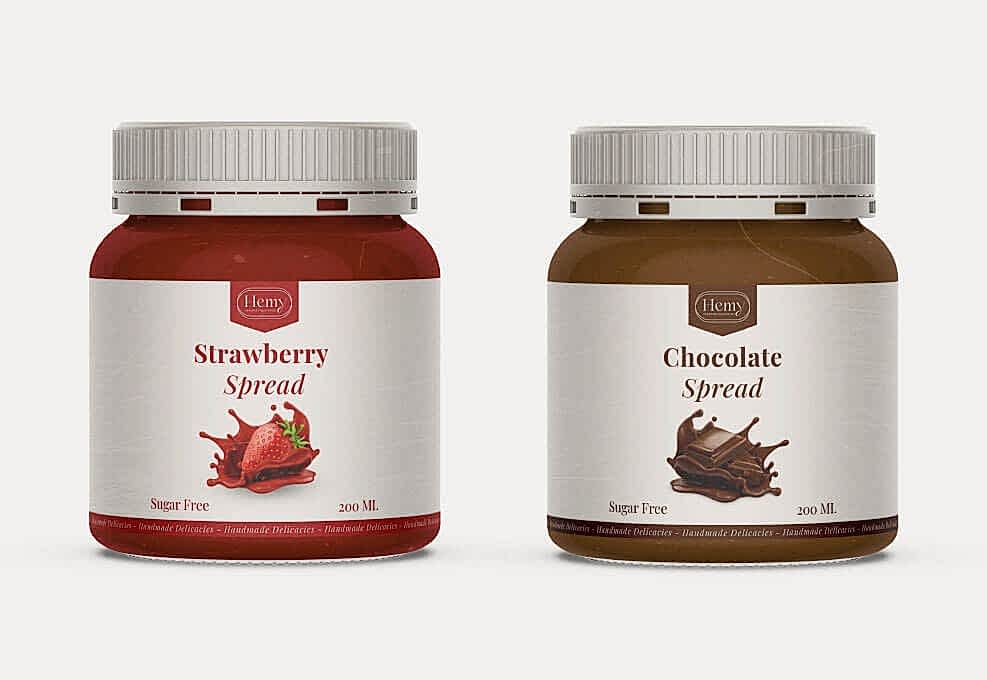
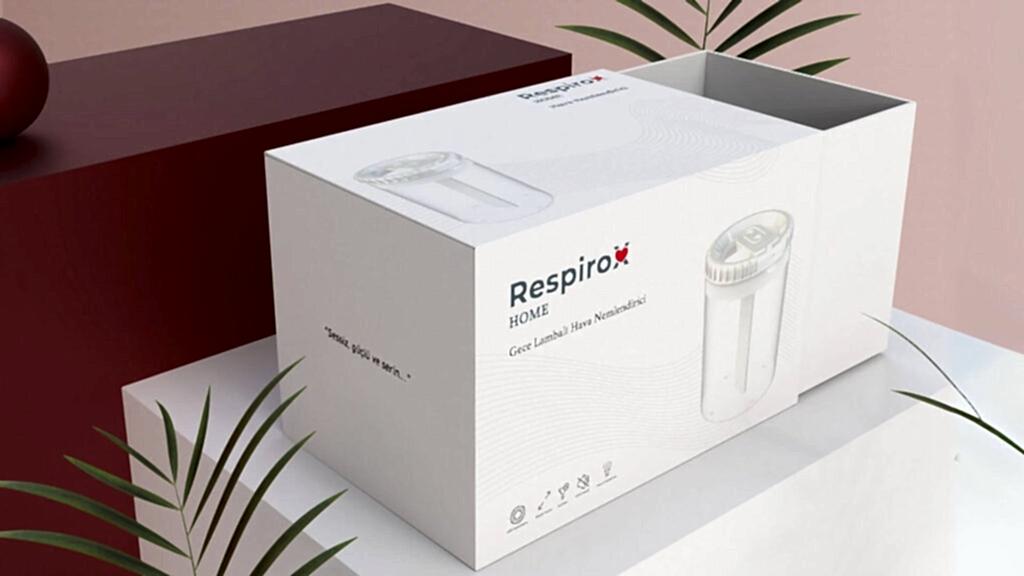
Packaging refers to the physical outer surface of a product, such as its box, bottle, bag, or jar. In addition to its aesthetic appearance, packaging ensures the safety of the product, protects it during logistics processes, and helps it last longer. Well-designed packaging not only offers ease of transport but also makes the product more appealing to consumers. Every detail, from the colors used to the materials, enhances the product’s value and creates a premium perception in the eyes of the consumer.

Group 1171278029

Definition and Importance of Labels

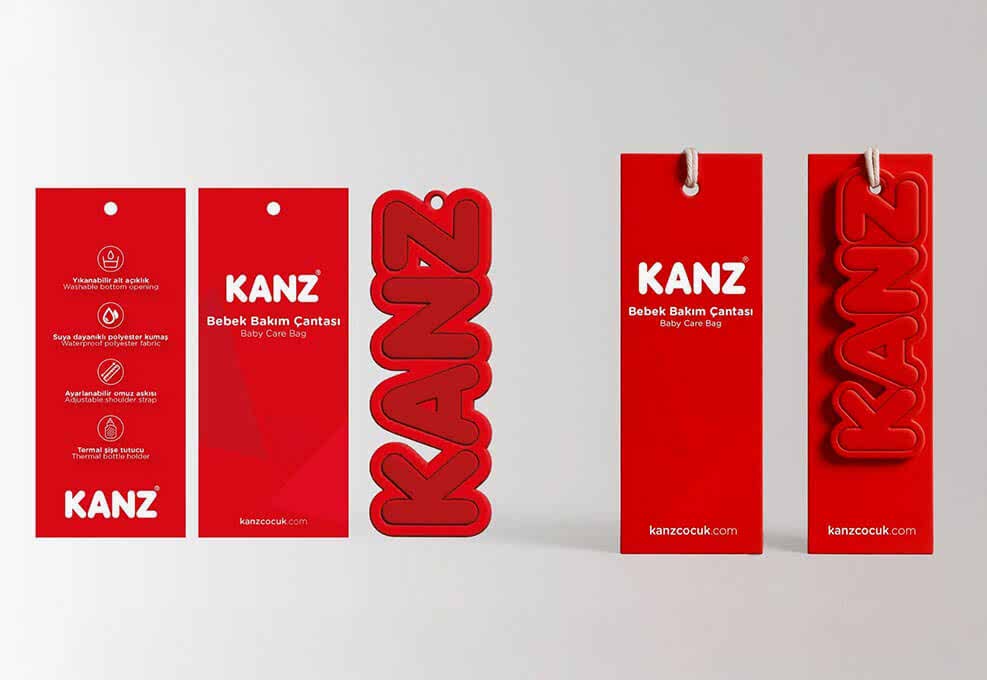
The label is the most informative element on the packaging. The product name, content information, barcode, weight, logo, instructions for use, legal requirements, and brand identity are conveyed to the consumer through the label. The label not only provides information but also builds trust by speaking the language of the brand. A well-designed label immediately conveys the message “this product is reliable and high-quality” to the consumer.

sdcsdcscd

The Combined Effect of Packaging and Labeling

Packaging “protects and transports” the product, while the label “describes and explains” it. Together, these two elements shape the consumer’s first impression of the product. When eye-catching packaging on the shelf is combined with an impressive label design, the brand’s story is reflected much more powerfully. The aesthetic appearance offered by the packaging and the informative power provided by the label together leave a lasting impression on the consumer’s mind.

olcme

First Contact with the Consumer

Packaging and labeling are the most critical factors influencing a consumer’s purchasing decision the moment they encounter a product. To stand out among countless options on the shelf, packaging must be aesthetically appealing, while labeling must be informative and confidence-inspiring. When first encountering a product, consumers evaluate its visual appeal, perceived quality, and the trust the brand conveys. Therefore, design is not only aesthetic; it is also a persuasive sales tool.

We're here for you 24/7

Having trouble? Call us right away.

Teklif Al
Teklif Al Teklif Al
Teklif Al Teklif Al Teklif Al

The Difference Between Packaging and Label Design

Packaging and labeling may appear to serve separate purposes, but they actually work toward the same goal: establishing a strong connection with the consumer. Packaging is the product’s face to the outside world and its protective shell, while labeling is the language of that packaging—the part that describes the product and informs the consumer. When designed together, they ensure both the visual and communicative integrity of the brand, make the product stand out on the shelf, and build trust with the consumer.

Shall we have a acoffee and get started? Let's Meet Now Sağ ok
Ambalaj–Dış-Kabuk,-Koruma-ve-İlk-İzlenim (1)

Packaging: Outer Shell, Protection, and First Impression

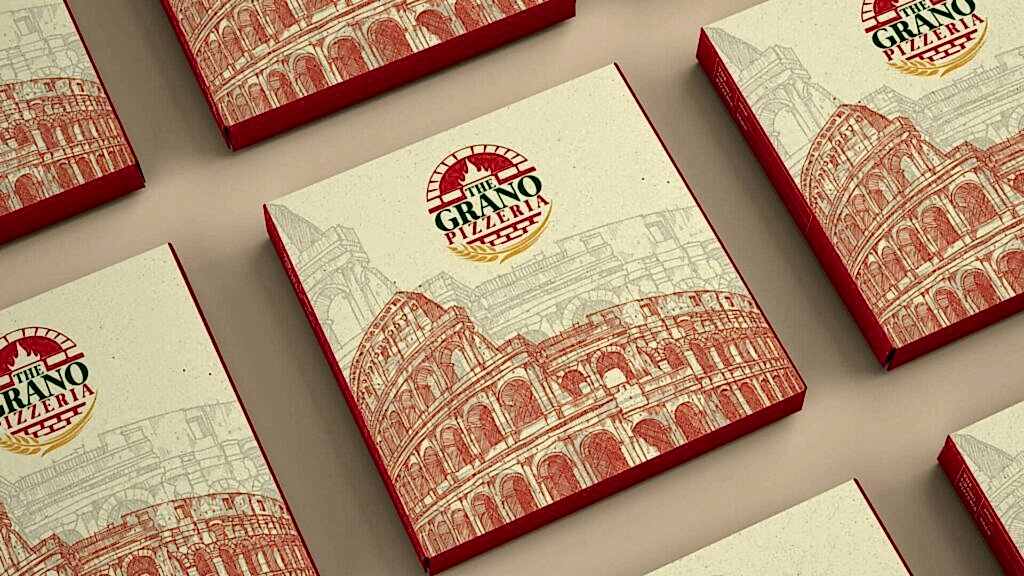
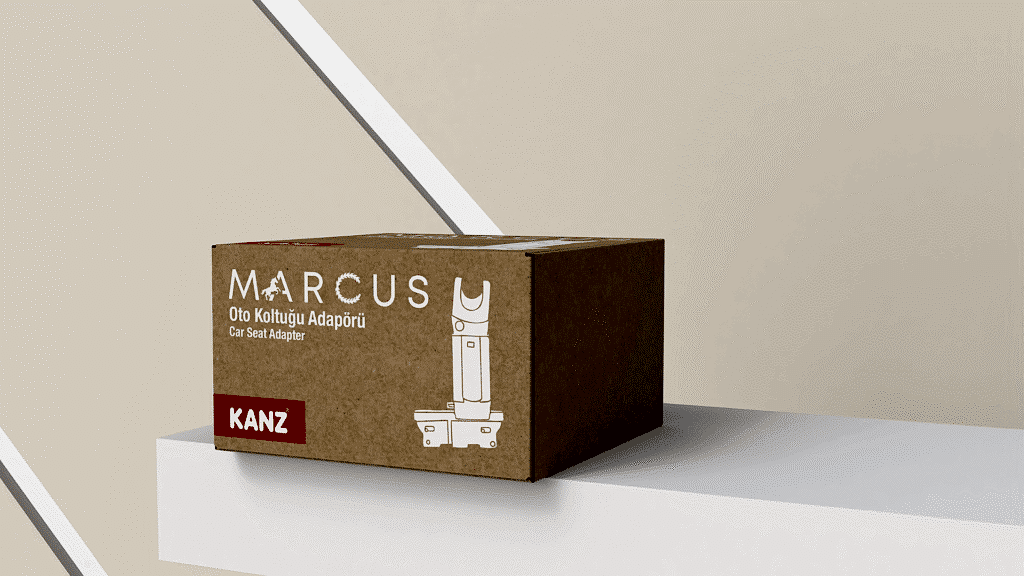
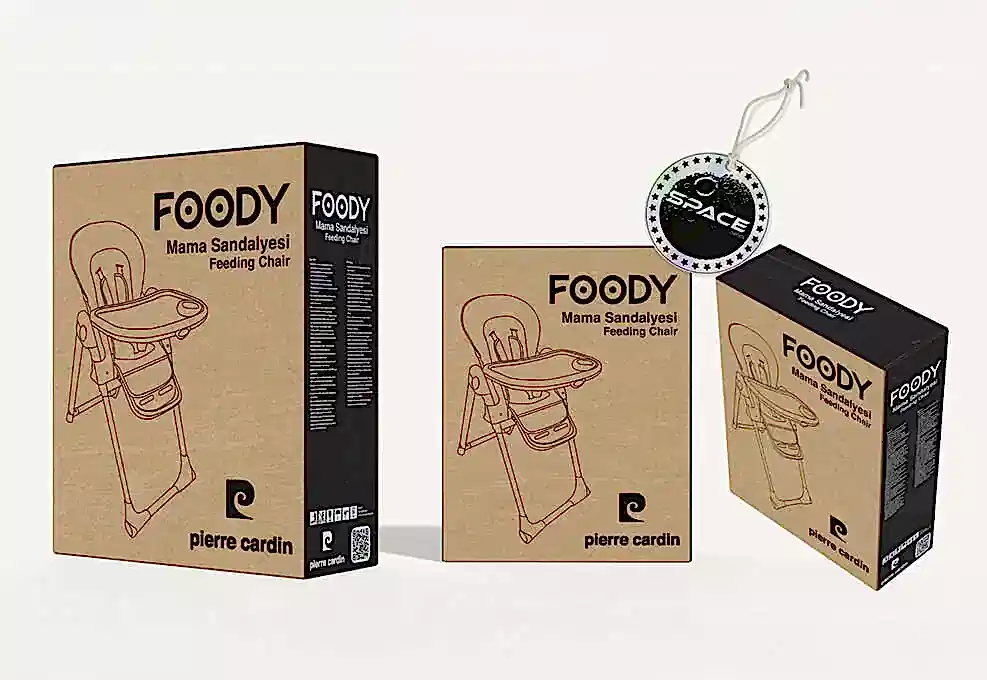
Packaging is the outer shell that carries and protects the physical presence of the product. Forms such as boxes, bottles, jars, or bags ensure the safety of the product during logistics processes and appeal to the consumer’s eye. The quality of the packaging material, the color palette used, textures, typography, and design form create the perception in the consumer that “this product is valuable, reliable, and carefully prepared.” Especially on supermarket shelves where competition is intense, packaging is the element that first catches the consumer’s attention and triggers the purchase decision.
Tag: Product Identity, Language, and Trust Source

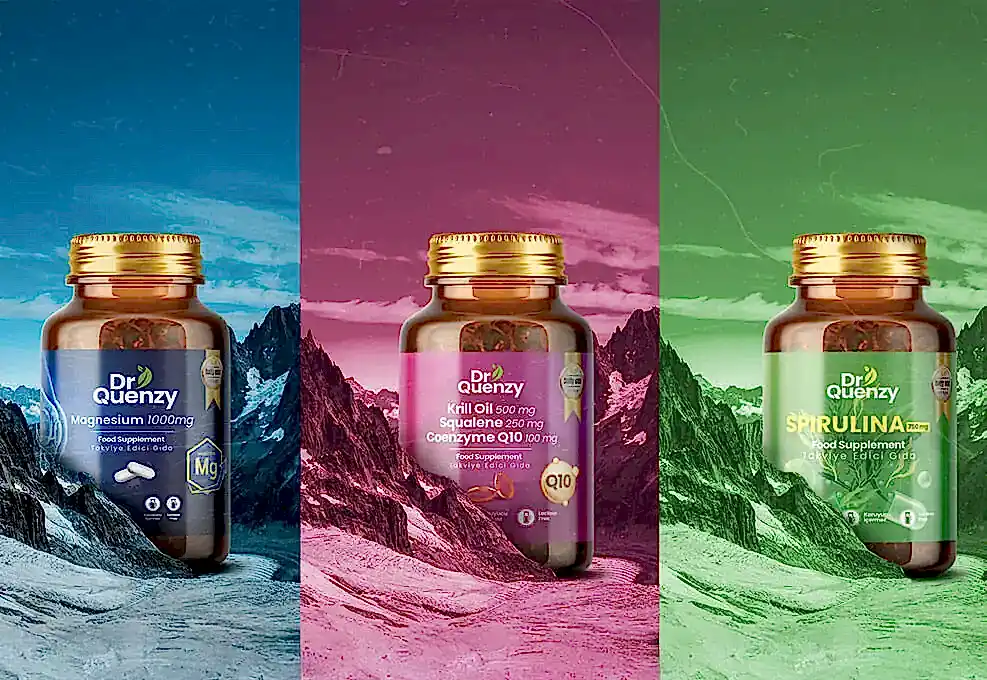
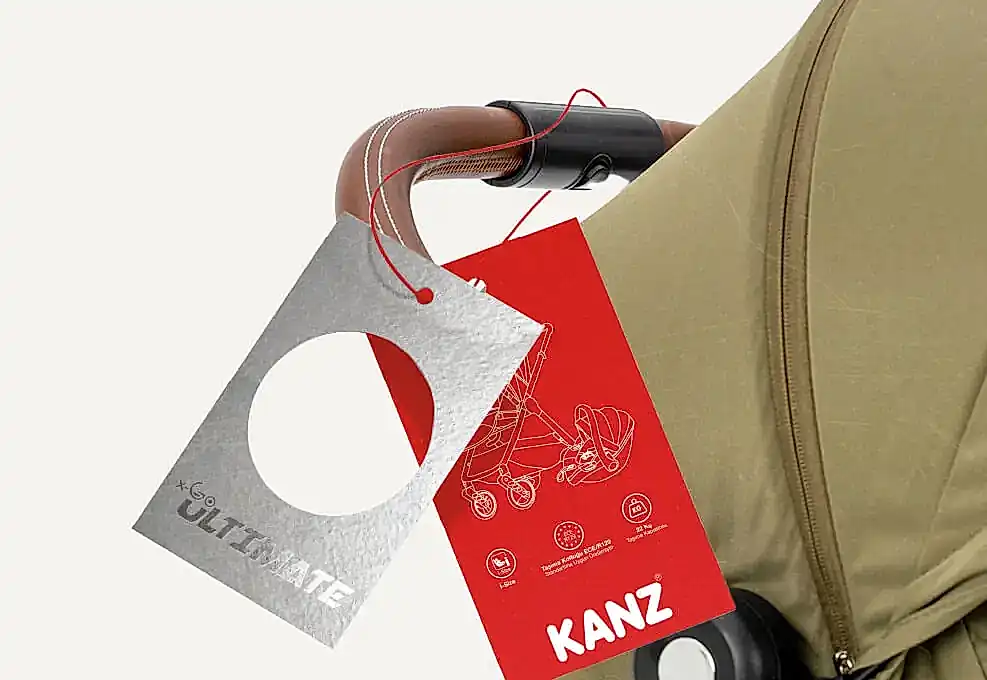
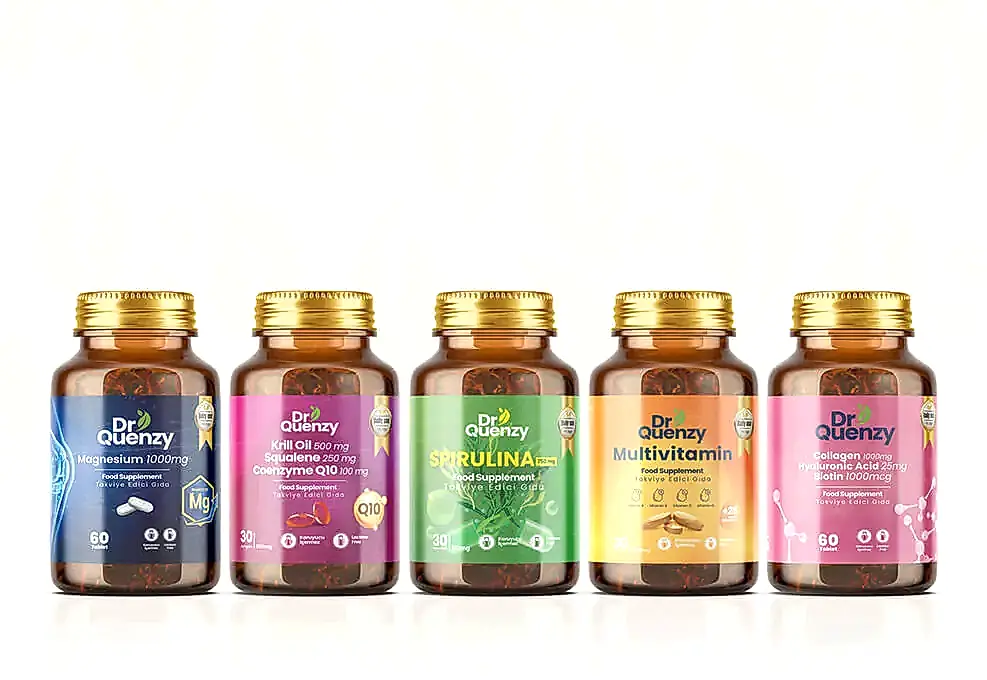
A label is an informative surface on the packaging that introduces the product. The list of ingredients, weight, barcode, instructions for use, manufacturer information, logo, certifications, and brand message are conveyed to the consumer through this surface. A well-designed label not only shares information but also reflects the brand’s personality. The language, fonts, icons, and symbols on the label create a sense of trust in the consumer. Therefore, the label is the most critical design element that demonstrates the product’s transparency and reliability.

Etiket–Ürünün-Kimliği,-Dili-ve-Güven-Kaynağı-2 (1)
Etiket–Ürünün-Kimliği,-Dili-ve-Güven-Kaynağı

The Holistic Experience Created by Packaging and Labeling Together

The eye-catching aesthetic impact of packaging, combined with the informative power of the label, provides the consumer with a complete experience. Packaging appeals to the eye, making the product visible on the shelf, while the label positions the product in the mind. For example, the packaging of a dairy product visually conveys freshness and naturalness, while the label reinforces trust with content information and quality certifications. This duality allows consumers to simultaneously experience the balance of “visual appeal + trust.”

Its Impact on Purchase Decisions and Role in Brand Perception

Packaging and label design play a direct and decisive role in consumer purchasing behavior. Packaging is the “first point of contact” that stops consumers in their tracks on the shelf. The label is the “persuasive guide” that explains why they should choose that product. While packaging displays the product in the window, the label solidifies the purchase decision with detailed information and brand language. In other words, packaging appeals to the eye, while the label appeals to the mind. Thanks to this harmonious relationship, consumers purchase the product not only based on visual appeal, but also on a sense of trust.

Satın-Alma-Kararına-Etkisi-ve-Marka-Algısındaki-Rolü

Our Packaging and Label Designs for Brands

  • Packaging Designs